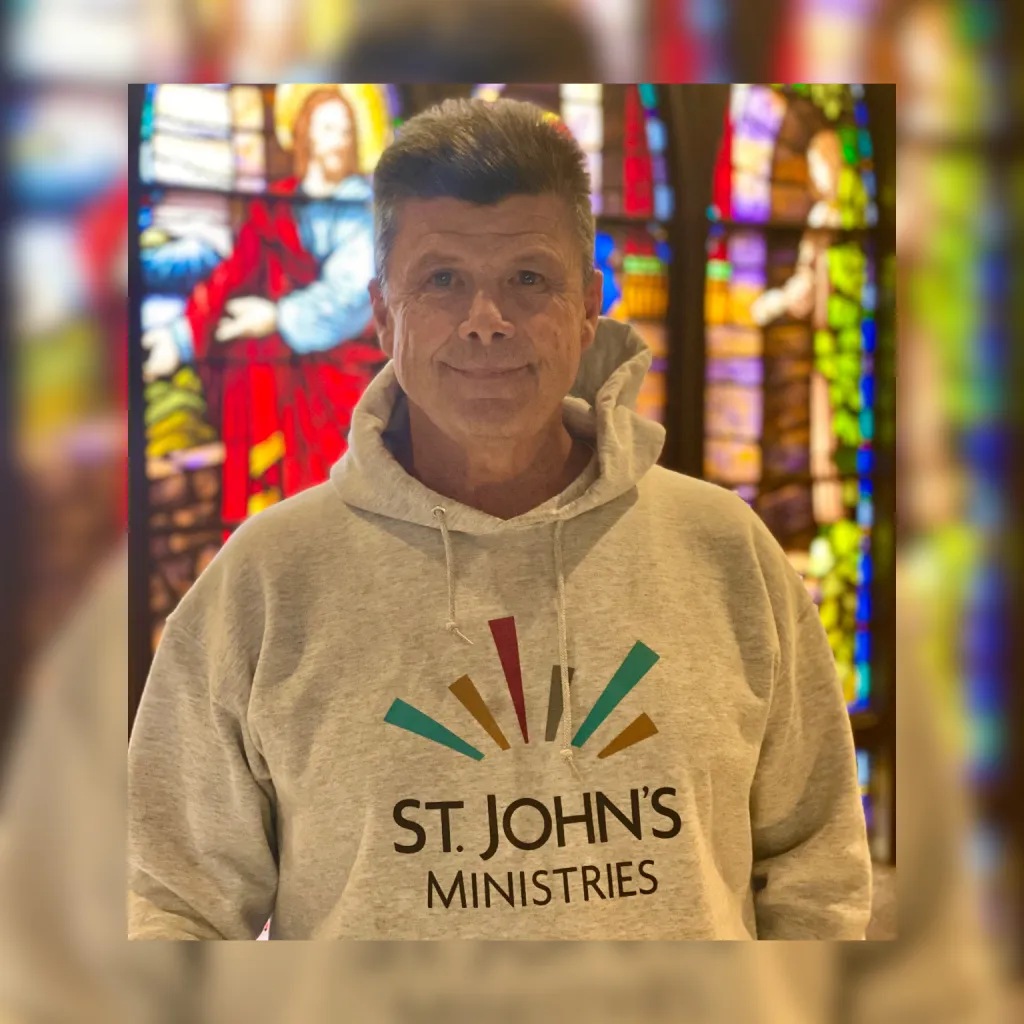
Case management can sound like a complex term, but at St. John’s Ministries it’s about people. In this Q&A with Director of Case Management Services, Clayton Abts, we talk about how St. John’s Ministries supports guests from their first day in shelter through the steps toward stability, healing, and long-term goals.
If you were explaining your job to someone over coffee, how would you describe what you do?
I help people experiencing homelessness find stability and a path forward. First, we make sure their basic needs are met — that they’re safe, warm, and fed. From there, we complete an assessment and work with each person to develop a plan based on their specific needs, so they can overcome barriers and work toward their goals.
When someone walks through our doors for the first time, what’s one of the first ways your team helps them feel supported?
I remind my team to connect with every guest as though it might be the worst day of their life — because many times, it is. We meet people with empathy and without judgment. That approach helps build trust and rapport, which allows us to support them in the best way possible.
What are some of the biggest hurdles guests are facing right now?
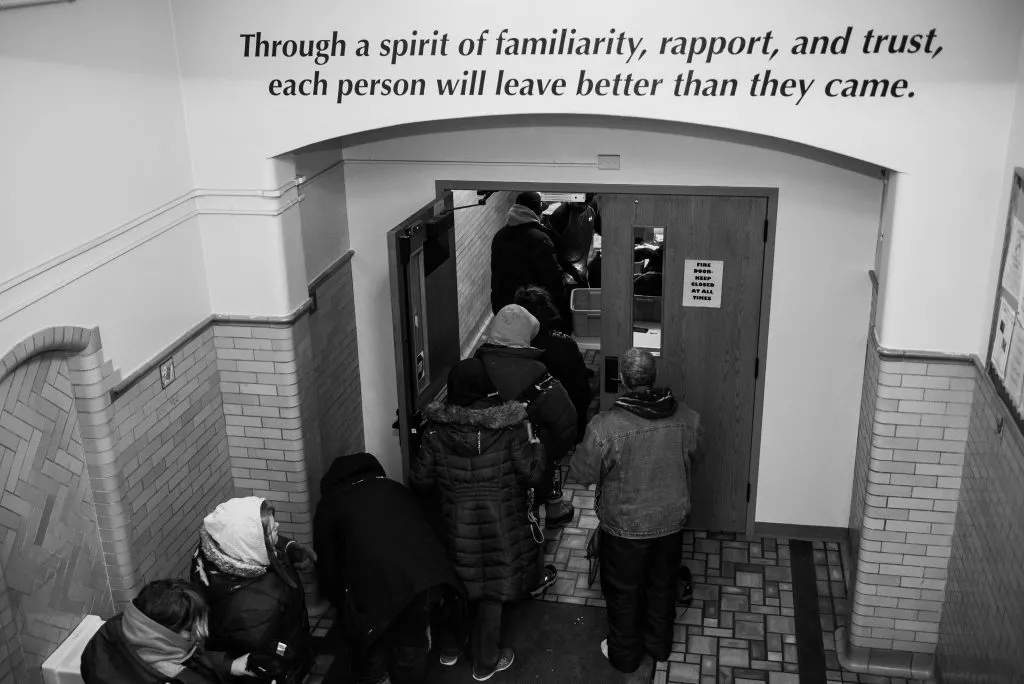
Unaddressed addiction and mental health challenges are present for about 80% of the guests we serve. As Case Managers, our first step is to make sure guests are stabilized in shelter and have their basic needs met. Next, we focus on building a relationship rooted in trust. Once a guest feels safe, we work together to develop a plan to begin addressing barriers and moving toward their goals.
How important is building trust, and what does that look like day to day?
Trust is everything. We make it a priority to be clear about what we can and will do for guests — and then we follow through. That consistency is key to creating real progress and long-term success. All staff are trained in trauma-informed care by an in-house certified trainer.
This work can be heavy. What keeps you and your team going on the tough days?
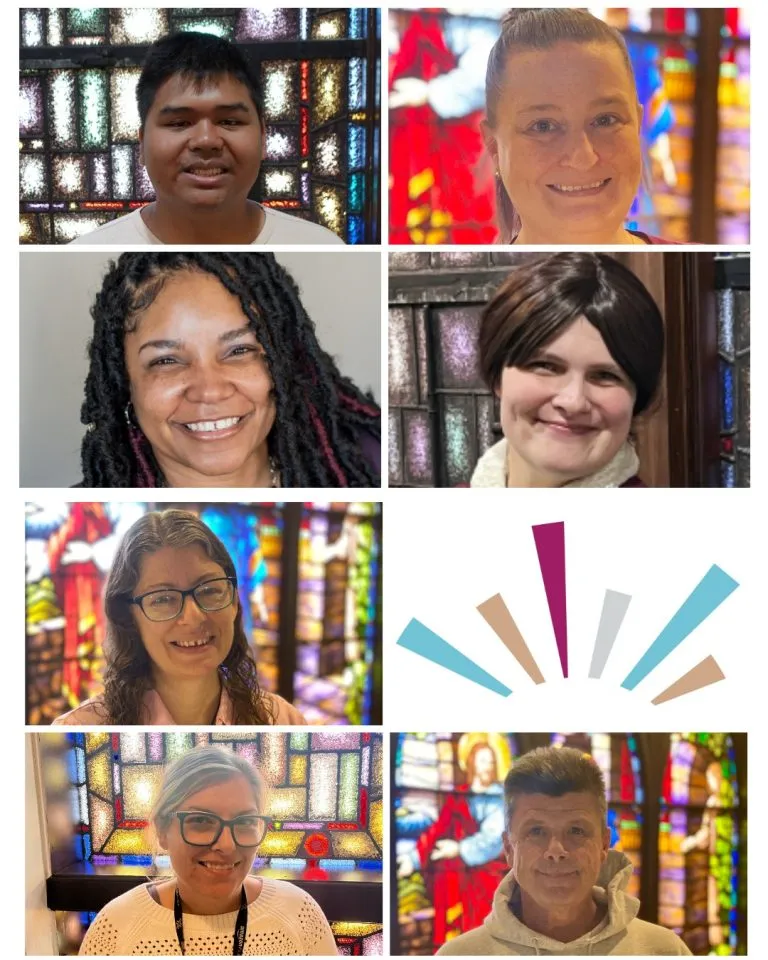
My team! We lean on each other as case managers, coworkers, and people when things get tough. St. John’s Ministries also offers two hours of wellness time each week. Thanks to generous donors we also have funding for professional development in the form of trainings and workshops.
Is there a moment or story that reminds you why this work matters?
Drop-in days during the summer are especially meaningful. When a guest finds out we exist and they are no longer alone, it is gratifying. Guests can get their basic needs met and you can see how grateful they are for the staff, volunteers, and services. Also, anytime a guest reaches a goal — no matter how big or small — it’s a powerful reminder of why I do this work.
How do relationships with community partners help open doors for guests?
We’re fortunate to work with many strong community partners who support our guests in important ways. We collaborate closely with teams at the City of Green Bay, Brown County Mental Health Clinic, and New Community Clinic, all of whom provide excellent resources and are very responsive to the needs of the people we serve.
What’s something you wish more people understood about homelessness?
Mental health challenges and addiction are enormous barriers. The shame that comes with being labeled or judged for either can be incredibly debilitating and can make it even harder for people to build relationships and move forward. These individuals struggle; they are not “lazy”.
When community members volunteer or show up in support, how does that affect your work with guests?
The unconditional love our volunteers bring is extraordinary. They do all the little things that make shelter work. A simple smile when serving food goes a long way. We could not do this without the volunteers.